The What, Why, and How
Grief is a deeply universal and personal experience. Connecting within and with others navigating this terrain makes all the difference.

“We seem to have forgotten that the environment in which we meet has an impact on the quality of what happens within us and between us. ”

“A holding environment is a form of ritual ground, within which we can pour our grief, fear, and pain and trust that it will be held.”
Communal, reflective, creative support
It is time for grief work and support circles to emerge from musty basements and lifeless conference rooms. Grief is best held in places of radical hospitality, deep reflection, and accessible community, ideas that have deeply influenced the design and details of The Grief Center. When offered the opportunity to treat our experiences as a process of gnosis (greek for knowing) to support (rather than a diagnosis or prognosis forcing us to either judge, cure, or measure), we can be with the hardest part of life and one another in more sustaining ways.
The Grief Center offers communal, ritualized, creative support not clinical therapy. Support circles are facilitated by those with extensive experience leading groups. They have specialities in grief and bereavement in addition to decades of experience planning meaningful curriculum and nurturing the development of individuals and groups. We focus on holding structured processes in comfortable spaces for a range of experiences and identities to navigate grief. Participants are encouraged to direct their own depth and direction of participation based on how their grief is presenting at that time. Being aware of and responsive to our own needs in real time are key grief practices we will integrate together.
Your grief journey may ask for a wide range of supports to meet your unique needs which may also include a therapist or social worker specializing in grief. Our offerings at The Grief Center, even when facilitated by trained and licensed therapists, complement and never replace clinical care if needed for prolonged grief. Refer to the resource list for area grief-related professionals of all kinds to support you. We are happy to assist you in connecting with any of these providers (including providing a quiet office space for an online appointment), just ask.
The How
Small groups, comfortable spaces, and reflective practices with many ways to access support and community.
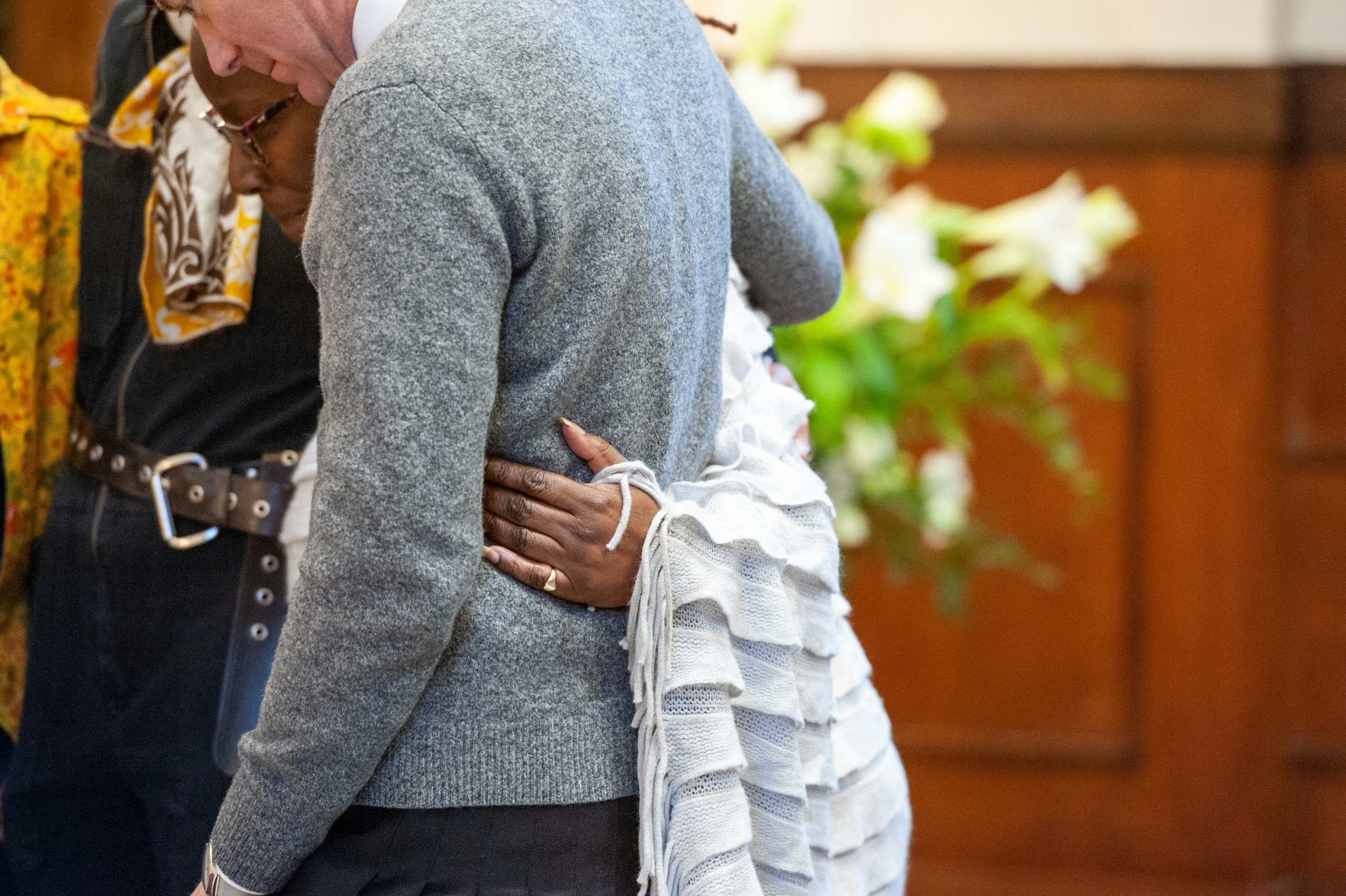
“Our suffering is mutually entangled, the one with the other, as is our healing. ”
Through support circles, retreats, deathcare and griefcare, end-of-life planning, rituals, ceremonies, and connecting a community of grievers, we companion and support in all directions every step of the way. 1:1 support is also available through trained and experienced death and grief doulas. Explore our offerings. We’d love to welcome you!